
"Mocha Matari 999"
14600 article(s) found

Why are Yemeni coffee beans so precious? how about Yemeni coffee?
Professional coffee knowledge exchange more information about coffee beans Please follow Coffee Workshop (Wechat official account cafe_style) Coffee bushes spread to Yemen shortly after coffee was discovered in Ethiopia. The mysterious Sufis wrote stories about coffee as early as the 15th century. With the increase in coffee cultivation in Yemen, exports start from the ancient port of Al-Makha (the modern term Mocha

[Yemeni Mokamatari] the freshly ground brewing method of tanned coffee? The nomenclature source of mocha coffee beans
Professional coffee knowledge exchange more coffee bean information please follow the coffee workshop (Wechat official account cafe_style) [Yemeni Mokamatali] sun-dried coffee brewing method? Where does the name of mocha coffee bean come from? Matali is the most famous coffee bean in Yemen. It is located in the Bani Matari, west of the capital Sanaa. It has a strong and thick flavor.

A brief Analysis of other kinds of Yemeni Coffee
Isimarie: 1800'2 above sea level, ⒛ 0 meters above sea level, located in Bani Ismaili, the higher Ismail Highland in the Salzi producing area southwest of Matari, the breed is called Isimarie. Beans are a little more round than Matari (note that they are different from each other), but Isemary has the same flavor of Harald, Ponzi seems to be higher than Matari, and even has aromas of cardamom, tobacco and sunwood. Shallow
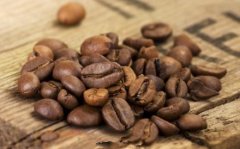
A brief Analysis of Yemeni Coffee introduction to other kinds of coffee
Isimarie: 1800'2 above sea level, ⒛ 0 meters above sea level, located in Bani Ismaili, the higher Ismail Highland in the Salzi producing area southwest of Matari, the breed is called Isimarie. Beans are a little more round than Matari (note that they are different from each other), but Isemary has the same flavor of Harald, Ponzi seems to be higher than Matari, and even has aromas of cardamom, tobacco and sunwood. Shallow
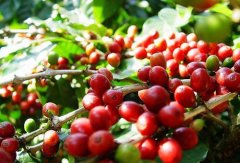
A brief Analysis of Yemeni Coffee other kinds of Coffee Information Coffee interesting
Isimarie: 1800'2 above sea level, ⒛ 0 meters above sea level, located in Bani Ismaili, the higher Ismail Highland in the Salzi producing area southwest of Matari, the breed is called Isimarie. Beans are a little more round than Matari (note that they are different from each other), but Isemary has the same flavor of Harald, Ponzi seems to be higher than Matari, and even has aromas of cardamom, tobacco and sunwood.

A brief Analysis of Yemeni Coffee other kinds of Fine Coffee beans are recommended
Isimarie: 1800'2 above sea level, ⒛ 0 meters above sea level, located in Bani Ismaili, the higher Ismail Highland in the Salzi producing area southwest of Matari, the breed is called Isimarie. Beans are a little more round than Matari (note that they are different from each other), but Isemary has the same flavor of Harald, Ponzi seems to be higher than Matari, and even has aromas of cardamom, tobacco and sunwood. Shallow

This paper briefly introduces the flavor, taste and cultivation of other kinds of Yemeni coffee.
Isimarie: 1800'2 above sea level, ⒛ 0 meters above sea level, located in Bani Ismaili, the higher Ismail Highland in the Salzi producing area southwest of Matari, the breed is called Isimarie. Beans are a little more round than Matari (note that they are different from each other), but Isemary has the same flavor of Harald, Ponzi seems to be higher than Matari, and even has aromas of cardamom, tobacco and sunwood.

A brief Analysis of the Common sense of Fine Coffee beans other kinds of Coffee in Yemen
Isimarie: 1800'2 above sea level, ⒛ 0 meters above sea level, located in Bani Ismaili, the higher Ismail Highland in the Salzi producing area southwest of Matari, the breed is called Isimarie. Beans are a little more round than Matari (note that they are different from each other), but Isemary has the same flavor of Harald, Ponzi seems to be higher than Matari, and even has aromas of cardamom, tobacco and sunwood. Shallow
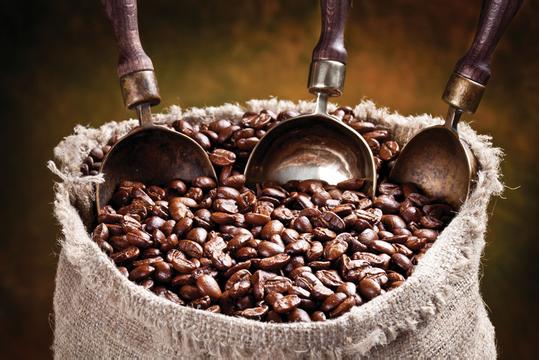
Boutique coffee beans: a brief analysis of other kinds of Yemeni coffee to understand coffee producing areas
Isimarie: 1800'2 above sea level, ⒛ 0 meters above sea level, located in Bani Ismaili, the higher Ismail Highland in the Salzi producing area southwest of Matari, the breed is called Isimarie. Beans are a little more round than Matari (note that they are different from each other), but Isemary has the same flavor of Harald, Ponzi seems to be higher than Matari, and even has aromas of cardamom, tobacco and sunwood. Shallow

Boutique Coffee several world-famous types of coffee
1. Jamaica (Jamaica) mentioned Jamaica, and we immediately heard of Blue Mountain coffee. Rare and expensive true blue beans, originally from the Wallensford Coffee Garden, have now been expanded to the Blue Mountains with an altitude of more than 1000 meters. As long as the tree species and treatment procedures of the manor meet certain standards, the government will issue a guarantee to allow them to use them.

Introduction of the main coffee producing countries in Africa _ the best coffee beans in Africa _ how to drink African coffee powder
Professional coffee knowledge exchange more coffee bean information please follow the coffee workshop (Wechat official account cafe_style) main African coffee producing countries introduction: Yemen (Yemen) well-known representative coffee: Mocha Mattari early Yemeni coffee was mainly exported from the port of Mocha, so the coffee exported from here later took Mocha as the name of coffee.

What is Yemeni coffee Sanani? What is Yemeni coffee Matari? What are the flavor characteristics?
Professional coffee knowledge exchange more coffee bean information please pay attention to the coffee workshop (Wechat official account cafe_style) Yemeni coffee Sanani Sanani: Sanani is a general name, generally refers to the coffee production areas around the capital Sana'a, Sanani thick fruit aroma, very different from the Central and South American bean aroma, it is difficult to describe, can be classified as a kind of Shen Xiang, should be the absorption of beans in the sun process.
Mocha coffee beans
If this is your first time to try Yemen Mattari Mocca in Yemen, it will be an affair. It is complex and changeable, different degrees of baking will bring different flavors, always give people a surprise; the pungent wine is full-bodied and attractive, the indescribably spicy and special, and the aftertaste of chocolate is sweet and aftertaste. Matta mocha is the end of it.
The fragrance of coffee beans is smooth and attractive.
In ancient times, Arabs first dried and boiled coffee beans and drank the juice as stomach medicine, thinking it was helpful to digestion. Later, it was found that coffee had a refreshing effect, and because Muslims forbade drinking, coffee was used instead of alcoholic beverages as a refreshing drink. Although coffee was found in the Middle East, coffee trees originated in Africa.

What are the coffee-producing areas in Africa? How does African coffee taste good? A famous coffee maker in Africa
Professional coffee knowledge exchange more coffee bean information please follow the coffee workshop (Wechat official account cafe_style) what are the coffee-producing areas in Africa? How does African coffee taste good? What are the famous coffee producing countries in Africa? Africa is the birthplace of coffee, and there are naturally many coffee-producing countries. Congo, Rwanda, Kenya, Angola, Zimbabwe, Mosang
Yemeni Coffee Sanani and Matari Coffee
Sanani: Sanani is a general term, which generally refers to the coffee production areas around the capital Sana'a. I have a deep affection for Sanani. Eighteen years ago, I first brewed deeply baked Sanani, and I felt a strong aroma and sweetness of sun fruit at the entrance. Because of this incredible flavor, high-quality beans have been crazy ever since. Sanani's heavy fruity aroma, which is very different from the aroma of Central and South American beans, is difficult to describe and can be classified as

Sanani and Matari of Yemeni Coffee
Sanani: Sanani is a general term, which generally refers to the coffee production areas around the capital Sana'a. I have a deep affection for Sanani. Eighteen years ago, I first brewed deeply baked Sanani, and I felt a strong aroma and sweetness of sun fruit at the entrance. Because of this incredible flavor, high-quality beans have been crazy ever since. Sanani's heavy fruity aroma, which is very different from the aroma of Central and South American beans, is difficult to describe and can be classified as

Yemeni Coffee Sanani and Matari Coffee Culture
Sanani: Sanani is a general term, which generally refers to the coffee production areas around the capital Sana'a. I have a deep affection for Sanani. Eighteen years ago, I first brewed deeply baked Sanani, and I felt a strong aroma and sweetness of sun fruit at the entrance. Because of this incredible flavor, high-quality beans have been crazy ever since. Sanani's heavy fruity aroma, which is very different from the aroma of Central and South American beans, is difficult to describe and can be classified as
Gold tanning treatment of Sanani and Matari Aceh of Yemeni Coffee
Sanani: Sanani is a general term, which generally refers to the coffee production areas around the capital Sana'a. I have a deep affection for Sanani. Eighteen years ago, I first brewed deeply baked Sanani, and I felt a strong aroma and sweetness of sun fruit at the entrance. Because of this incredible flavor, high-quality beans have been crazy ever since. Sanani's heavy fruity aroma, which is very different from the aroma of Central and South American beans, is difficult to describe and can be classified as
Yemeni Coffee Sanani Coffee and Matari Coffee Coffee introduction to Yemeni Coffee
Sanani: Sanani is a general term, which generally refers to the coffee production areas around the capital Sana'a. I have a deep affection for Sanani. Eighteen years ago, I first brewed deeply baked Sanani, and I felt a strong aroma and sweetness of sun fruit at the entrance. Because of this incredible flavor, high-quality beans have been crazy ever since. Sanani's heavy fruity aroma, which is very different from the aroma of Central and South American beans, is difficult to describe and can be classified as